
Tree Crops
| Crop and Maximum Annual Rate of Product in Gallons per Acre (lbs. Metallic Copper) | Disease | Rate/A fl. oz. (lbs. Cu2+/A) | Minimum Treatment Interval (days) | Directions |
|---|---|---|---|---|
| Almond, Apricot, Cherry, Plum, Prune 36.36 gals. (18 lbs.) |
Bacterial Blast (Pseudomonas), Bacterial canker, Blossomcherry brown rot, Coryneum blight (Shot Hole) | 51.2 to 64 (.198 to .248) on Almond, all others 60 to 90 (.232 to .348) | 7 | Make first application before fall rains and a second at late dormant. Use higher rates when conditions favor disease. If needed, agricultural-type spray oil may be added. For Cherries: Where disease is severe, an additional application shortly after harvest may be required. Note: Foliar injury may occur from post-bloom sprays on almonds, especially on Ne Plus varieties. |
| Apple 32.32 gals. (16 lbs.) |
Anthracnose, Blossom blight, European canker (Nectria), Shoot blast (Pseudomonas) | 51.2 to 64 (.198 to .248) | N/A only one application permitted per season. | Apply before fall rains. Use the higher rates when conditions favor disease. Note: Use on yellow varieties may cause discoloration. To avoid discoloration, pick before spraying. |
| Apple scab, Fire blight, Phytophthora root rot, Verticillium wilt | 51.2 to 64 (.198 to .248) | N/A only one application permitted per season. | Make one application between silver-tip and green- tip. Apply as a full cover spray for early season disease suppression. Note: Moderate to severe crop injury may occur from late application; discontinue use when green-tip reaches 1/2 inch. | |
| Apple scab | 19.2 to 25.6 (.074 to .10) | 5 | Extended spray schedule where fruit finish is not a concern. Continued applications may be made at 5 to 7 day intervals between ½ inch green-tip and first cover spray. Note: Moderate to severe crop injury may result from this extended spray schedule. It is not intended for fresh market apples or for apples where fruit finish is a concern as it is likely to cause fruit russeting. | |
| Fire blight | 19.2 to 25.6 (.074 to .10) | 5 | ||
| Collar rot, Crown rot | 32 (.124) | N/A only one application permitted per season. | Apply as a drench on the lower trunk area of each tree. Apply in early spring or in fall after harvest for best results. Do not apply to foliage or fruit. Only one application per year. | |
| Avocado 38.18 gals. (18.9 lbs.) |
Anthracnose, Blotch | 51.2 to 64 (.198 to .248) | 14 | Apply when bloom buds begin to swell and continue application at bi-monthly intervals for five to six applications. Use the higher rates when conditions favor disease. |
| Banana 38.17 gals. (18.9 lbs.) |
Sigatoka (Black and Yellow) | 19.2 (.074) | 7 | Apply by air in 3 gallons of water. If needed, agricultural-type spray oil may be added. Apply on a 7 to 14 day schedule throughout the wet season. Apply at 21 day intervals during dry periods. |
| Black pitting | 32 (.124) | 7 | Mix product in 100 gallons of water. Apply by spray to the fruit stem and the basal portion of the leaf crown. Apply during the first and second weeks after fruit emergence. | |
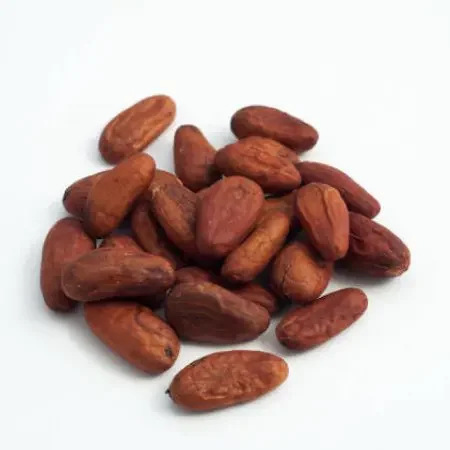
| Cacao 31.81 gals. (15.75 lbs.) |
Black pod | 19.2 to 64 (.074 to .248) | 14 | Begin applications at the start of the rainy season and continue while infection conditions persist. |
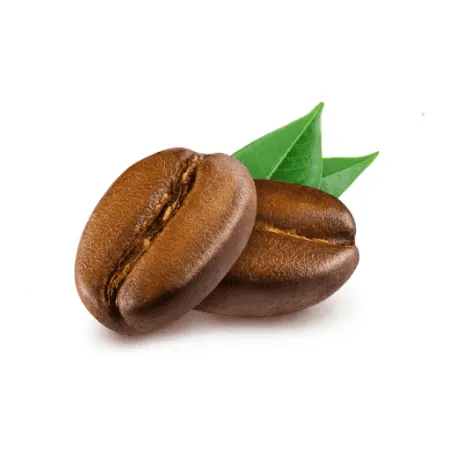
| Coffee 25.45 gals. (12.6 lbs.) |
Coffee berry disease (Collectotrichum coffeanum) | 38.4 to 64 (.149 to .248) | 14 | Apply first spray after flowering and before onset of long rains and then at 14 to 28 day intervals until picking. Use the higher rates when conditions favor disease. |
| Bacterial blight (Pseudomonas syringae) | 38.4 to 64 (.149 to .248) | 14 | Begin spray program before the onset of long rainy periods and continue throughout the rainy season at 14 to 21 day intervals. The critical time for spraying to control disease is just before, during and after flowering(s), especially when coinciding with wet weather. Use the higher rates when rainfall is heavy and disease pressure is high. | |
| Leaf rust (Hemileia vastatrix) | 19.2 to 32 (.074 to .124) | 14 | Apply before the onset of rain and then at 14 to 21 day intervals while the rains continue. Use the higher rates when rainfall is heavy and disease pressure is high. | |
| Iron Spot (Cercospora coffeicola), Pink Disease (Corticium almonicolor) | 19.2 (.074) | 14 | Use concentrate or dilute spray. Begin treatment at the start of wet season and continue at monthly intervals for three applications. | |
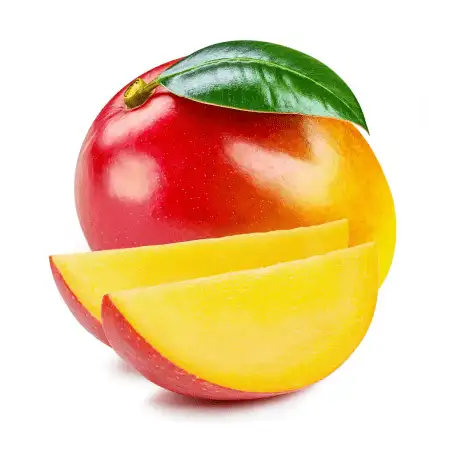
| Mango 96.96 gals. (48 lbs.) |
Anthracnose | 38.4 to 64 (.149 to .248) | 7 | Apply bi-monthly after fruit set until harvest. Use higher rates when rainfall is heavy and disease pressure is high. |
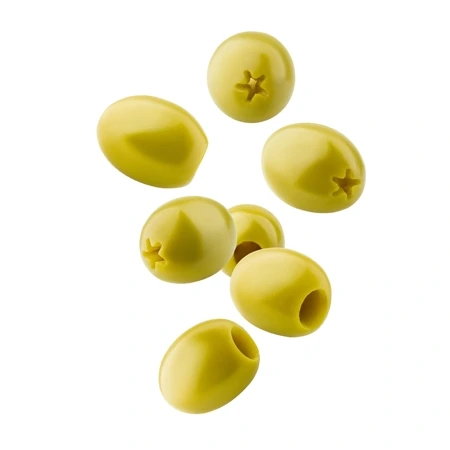
| Olive 36.36 gals. (18 lbs.) |
Leaf spot, Olive knot, Peacock spot | 52 to 86 (.201 to .333) | 30 | Make first application before winter rains begin. A second application in early spring should be made if disease is severe. Apply the higher rates for heavy disease pressure or when conditions favor disease development. |
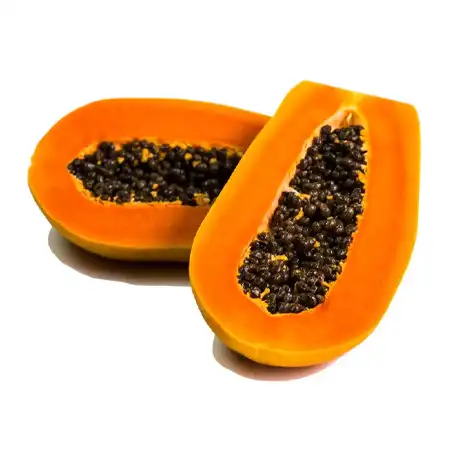
| Papaya 42.82 gals. (21.2 lbs.) |
Anthracnose | 26 to 52 (.101 to .201) | 7 | Apply before disease appears. Repeat at 10 to 14 day intervals under light disease pressure. Shorten spray intervals to 7 days under heavy disease pressure. Addition of a spreader is desirable. Use the higher specified rates when disease is severe. |
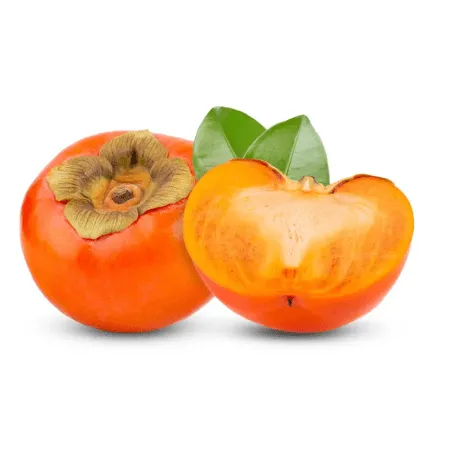
| Persimmon 11.11 gals. (5.5 lbs.) |
Canker | 16 (.062) | 14 | Apply every 14 days after beginning of fruit set until harvest. |
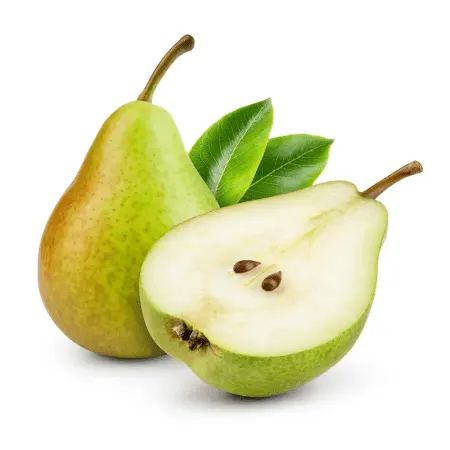
| Pear 12.12 gals. (6 lbs.) |
Blossom blight (Pseudomonas) | 19.2 (.074) | 7 | Apply before Fall rains and again during dormancy before Spring growth starts. |
| Fire blight | 19.2 (.074) | 5 | Apply at 5 day intervals throughout the bloom period. Note: Russeting may occur in copper sensitive varieties. Excessive dosages may cause fruit russet on any variety. | |
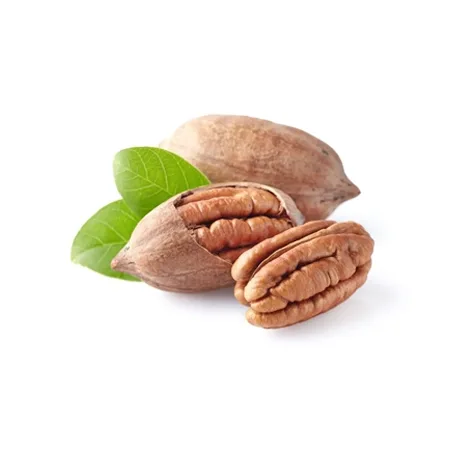
| Pecan 12.72 gals. (6.3 lbs.) |
Kernel rot, Shuck rot (Phytophthora cactorum), Zonate leaf spot (Cristulariella pyamidalis) | 19.2 to 32 (.074 to .124) | 14 | For suppression, apply in sufficient water to ensure complete spray coverage at 2 to 4 week intervals starting at kernel growth and continue until shucks open. Use the higher rates and shorter spray intervals if frequent rainfall occurs. |
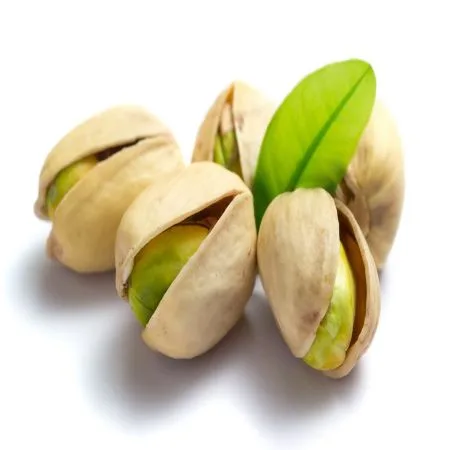
| Pistachio 16.96 gals. (8.4 lbs.) |
Botryosphaeria Panicle and Shoot blight, Late blight (Alternaria alternata), Septoria leaf blight | 32 to 64 (.124 to .248) | 14 | Make initial application at bud swell and repeat on a 14 to 28 day schedule. If disease conditions are severe, use the higher rates and shorter spray intervals. |
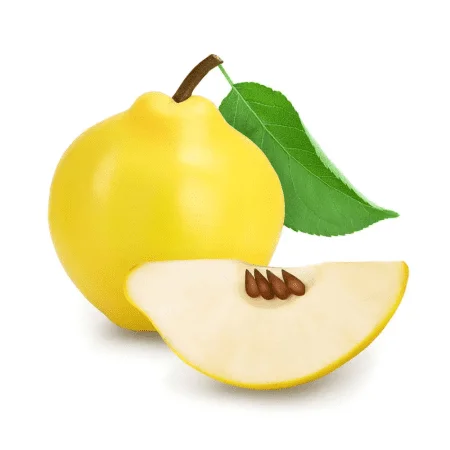
| Quince 32.32 gals. (16 lbs.) |
Fire blight | 19.2 (.074) | 5 | Apply at 5 day intervals throughout the bloom period. Apply in adequate water for thorough coverage. |
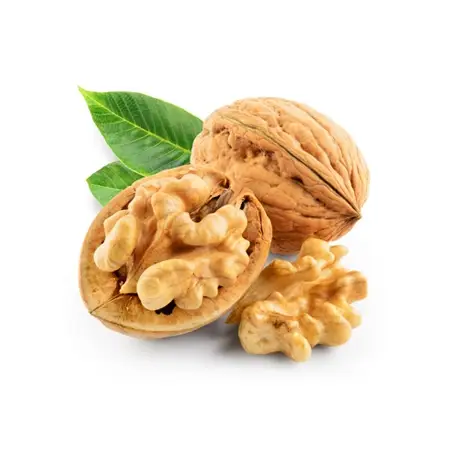
| Walnut 64.64 gals. (32 lbs.) |
Walnut blight | 38.4 to 64 (.149 to .248) | 7 | Apply at first spray at early pre-bloom prior to or when catkins are partially expanded. Make additional applications during bloom and early nutlet stage or as needed when frequent rainfall or extended periods of moisture occur. Thorough coverage of catkins, leaves and nutlets is essential for effective control. Note: Adequate control may not be obtained when copper tolerant species of Xanthomonas bacteria are present. |